
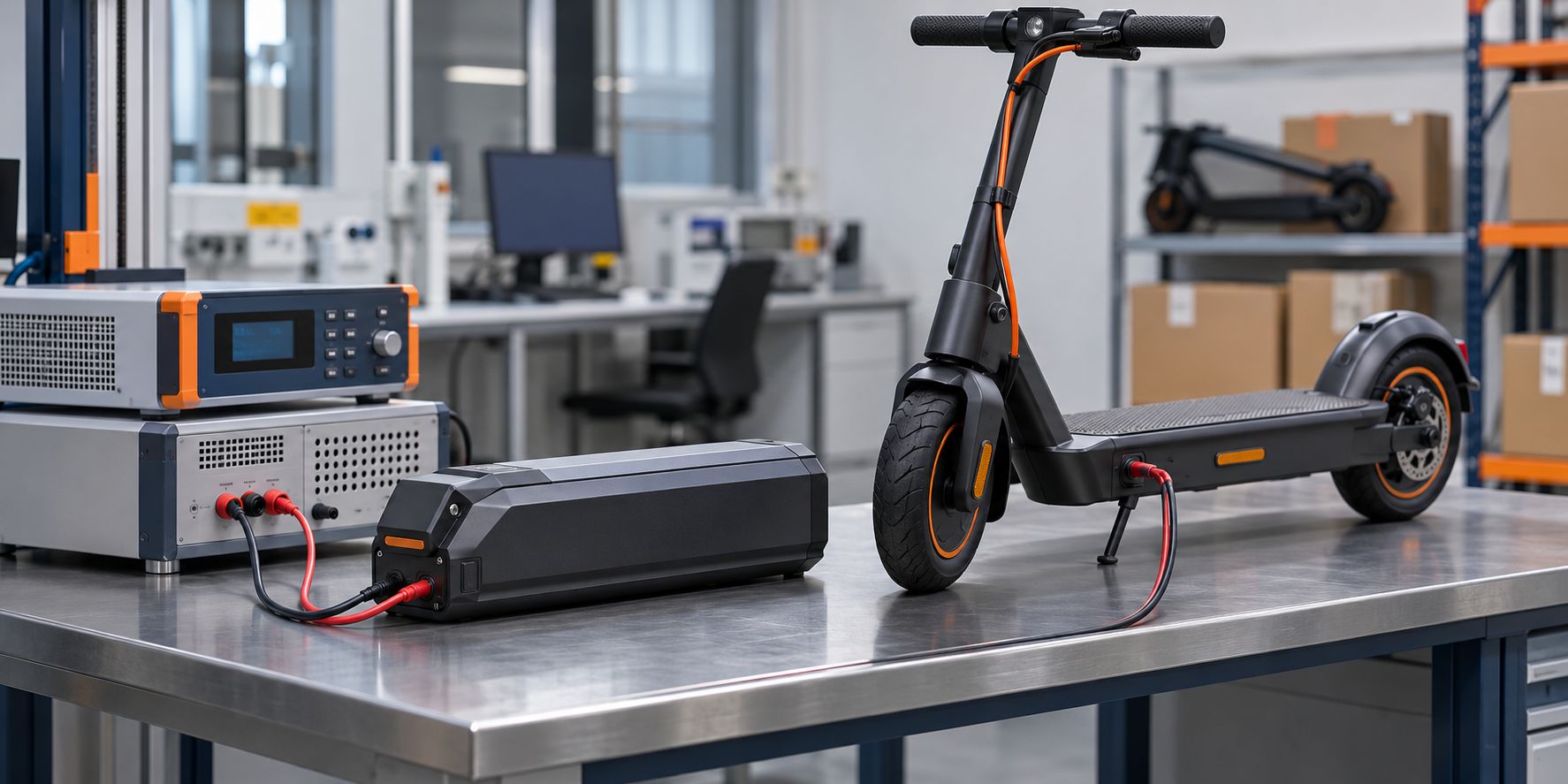
If your company manufactures, imports, distributes, or sells micromobility products (e-bikes, e-scooters, self-balancing scooters, electric skateboards, etc.), it is time to pay attention to another significant CPSC rulemaking.
On October 21, 2026, the CPSC held a virtual hearing on its proposed rule for lithium-ion batteries used in micromobility products and electrical systems of micromobility products containing such batteries. The Commission heard from several groups regarding CPSC’s proposed rule, largely in support of the proposal with some questioning CPSC’s proposed modifications to the incorporated UL safety standards.
Micromobility NPR Update: What Is CPSC Trying to Address?
Lithium-ion batteries can be dangerous when something goes wrong. These batteries store a lot of energy. The lithium cells in the batteries can overheat, leading to “thermal runaway”, potentially causing a fire, explosion, or release of hazardous gases. These incidents can result in serious injuries, deaths, and substantial property damage. CPSC’s proposed rule is intended to address these risks in micromobility products, which tend to have high-powered batteries. Existing voluntary safety standards already address many of these risks, but CPSC believes that a mandatory standard with additional requirements and modifications to existing standards is necessary to provide an adequate level of safety.
On December 20, 2022, CPSC first warned companies to ensure compliance with applicable UL safety standards and that failure to do so may result in possible enforcement action by CPSC. Since that time, CPSC has issued multiple recalls and unilateral safety notices for micromobility products with lithium-ion batteries that can overheat and present a fire hazard.
CPSC later published a notice of proposed rulemaking (91 FR 38162, June 24, 2026) which would establish a safety standard for lithium-ion batteries used in micromobility products and electrical systems of micromobility products containing such batteries, which includes requirements for electric bicycles, electric bicycle conversion kits, electric mobility products (e.g., electric scooters and other electric rideables), aftermarket battery packs, and aftermarket battery chargers.
Incorporation of UL standards
CPSC’s proposal builds on several established UL safety standards:
- UL 2271-23: Standard for Safety for Batteries for Use in Light Electric Vehicle (LEV) Applications
- UL 2272-24: Standard for Safety for Electrical Systems for Personal eMobility Devices
- UL 2849-20: Standard for Safety for Electrical Systems for eBikes
The proposed rule would incorporate these standards by reference. CPSC also proposed its own additional requirements on top of the incorporated standards, including additional protections addressing battery access, charging conditions, and other hazards associated with lithium-ion battery systems.
Even if your products already comply with the base standards referenced above, you should not assume that today’s testing and certification practices will necessarily satisfy tomorrow’s requirements. Since CPSC is proposing changes to existing standards, compliance with the current UL standards alone likely would not satisfy CPSC’s current proposal. Companies should review the modifications and identify any gaps in testing to the current standards.
What should I take away from the October 21 Hearing?
The groups that presented during the hearing were all largely in favor of a federal mandatory rule instead of the patchwork enforcement by states that is the current landscape. However, there were concerns with CPSC’s additional requirements. UL Standards & Engagement (ULSE) recommended that a Final Rule be delayed until ULSE has had the chance to properly evaluate and possibly incorporate CPSC’s additions to the UL standard.
The bicycle trade associations requested that CPSC work with the National Highway Traffic Safety Administration (NHTSA) to better define the jurisdictional boundary between the two agencies and ensure that a product does not fall into a gray, unregulated area. Examples provided were of off-road e-bikes not meeting the definition of a motor vehicle under NHTSA’s jurisdiction given that they are specifically intended for off-road use and high-speed electric bicycles.
Another big topic of interest was data collection. Both the Commissioners and presenters were interested in a more detailed data collection of current incidents to capture which, if any, incidents involved products already compliant with the UL standards. There was also mention of mandating reporting of incidents involving lithium-ion batteries by certain groups like fire departments to increase data available for analysis.
Start Planning Now!
The new rule, if finalized, can impact companies throughout the supply chain. We recommend that companies in the micromobility segment focus on four practical steps.
1. Review your product portfolio.
Identify the products, batteries, chargers, and related components your company manufactures, imports, or sells. Determine which proposed requirements may apply (see 91 FR 38162) and whether your current testing meets the requirements.
2. Talk to your suppliers.
If you rely on overseas manufacturers or third-party battery suppliers, ask what testing has been performed and what supporting documentation is available. Review whether your supplier agreements address product safety, certification, changes to product design, and responsibility for regulatory compliance. Do not assume that your supplier will automatically notify you if a product needs to be redesigned or retested.
3. Look at your compliance systems.
Testing and certification are only part of the picture. Your company also needs reliable processes for maintaining technical documentation, tracking product changes, and confirming that the products being shipped are the products that were tested. If your company already has a well-developed product compliance program, use this proposal to identify any gaps. If compliance responsibilities are spread across purchasing, engineering, quality assurance, and logistics, make sure someone is responsible for coordinating the response. This is especially important if your product is a children’s product.
4. Consider the business impact.
Additional testing, product modifications, and supplier changes can take time and money. They can also affect inventory planning, retailer commitments, and product launch schedules. Companies should begin evaluating these potential impacts before a final rule is issued. That does not mean redesigning products to meet every proposed provision today (the proposed rule references an effective date tied to the date of manufacture), but it does mean understanding your exposure and having a plan if the final requirements differ from your current practices. The proposed rule also includes a “prohibited stockpiling” provision.
Is This Already the Law?
No.
The October 21 hearing was just a meeting to allow presenters to speak on a proposed rule and for Commissioners to ask questions of the presenters. It did not, by itself, impose any mandatory requirements, though companies should be wary of CPSC’s announcement on December 20, 2022 that it may seek recalls of products that don’t meet applicable UL standards (see link above).
CPSC will consider the information provided at the meeting and comments received before publishing any final rule in the Federal Register. The final rule may differ from the proposal, and businesses should monitor developments rather than treating every proposed provision as a settled mandatory requirement.
At the same time, the absence of a final rule is not a reason to ignore the issue. Product safety obligations already exist under applicable laws and regulations, and a company’s existing responsibilities do not disappear while a new rule is under consideration.
The Bottom Line on the Micromobility NPR
CPSC’s proposed rule could create significant compliance work for companies operating in the micromobility market. The immediate priority is to understand which products may be affected, evaluate existing testing and documentation, and identify potential changes to supplier and quality-control processes.
We will continue to monitor the rulemaking and provide updates as the requirements develop. You can also check out the current CPSC rulemaking docket, which includes written comments in response to the proposed rule: CPSC-2025-0012. In the meantime, we would be happy to discuss your company’s specific circumstances if you have questions about how the proposal may affect your situation or more general questions about rulemaking and CPSC compliance.
Not sure how your products, testing, or supplier documentation measure up against the proposed rule? Talk with former CPSC insiders about where you stand.